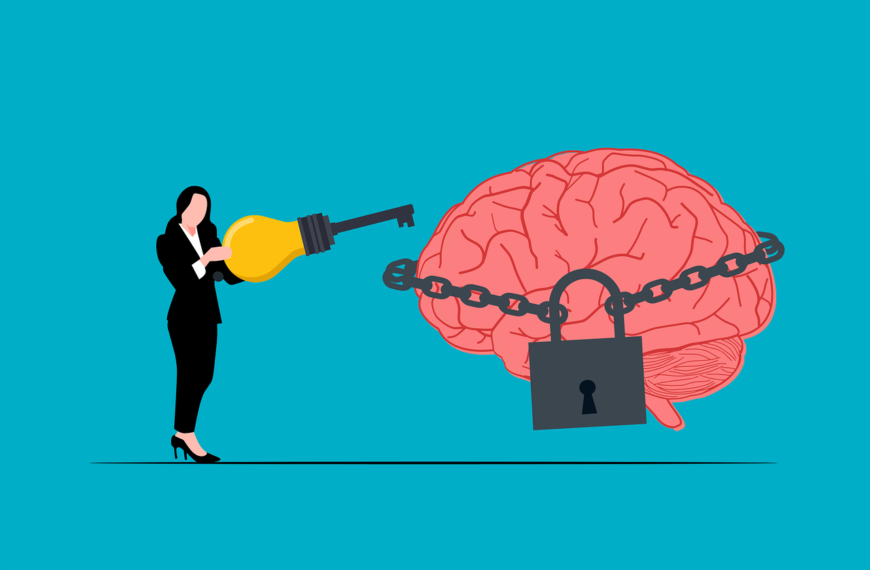

Effective corporate governance depends not only on sound frameworks and policies, but also on the capabilities of the people entrusted with oversight and decision-making. As regulatory expectations rise and organizational environments become more complex, boards are increasingly required to demonstrate competence, independence, and strategic insight. In this context, structured governance training has become a critical enabler of board effectiveness and long-term value creation.
Well-functioning boards are built on clarity of roles, informed leadership, and continuous development. Two pillars play a particularly important role in this process: the professional development of the board secretary and the ongoing training of board members themselves. When both are equipped with the right knowledge and skills, governance moves beyond compliance and becomes a strategic asset.
One of the most essential yet often underestimated components of governance capability is board secretary training. The board secretary occupies a central position within the governance ecosystem, acting as a trusted advisor to the board and a key link between directors, management, regulators, and shareholders. This role requires far more than administrative competence; it demands deep understanding of governance principles, regulatory frameworks, board dynamics, and ethical responsibilities.
Why is professional training for board secretaries so important?
As governance standards evolve, board secretaries are expected to guide boards through regulatory change, ensure effective information flow, and support high-quality decision-making. Formal training equips board secretaries with the tools needed to manage board processes, advise on governance best practices, and uphold integrity at the highest level. It also strengthens their ability to support board evaluations, manage conflicts of interest, and maintain accurate and transparent records.
A professionally trained board secretary contributes directly to board effectiveness by ensuring meetings are purposeful, documentation is robust, and governance obligations are consistently met. This creates a stable foundation that allows directors to focus on strategy, oversight, and risk management rather than procedural complexity.
However, governance excellence cannot rely on one role alone. Directors themselves must continuously develop their skills and understanding to remain effective in a rapidly changing environment. This is where board of directors training becomes essential. Board members are expected to provide strategic guidance, challenge management constructively, and oversee organizational performance while navigating increasingly complex regulatory, financial, and ESG considerations.
Structured training helps directors deepen their understanding of fiduciary duties, risk oversight, strategy formulation, and emerging governance trends. It also supports better boardroom dynamics by encouraging effective communication, critical thinking, and informed debate. For new directors, training accelerates onboarding and integration, while for experienced board members, it provides an opportunity to refresh knowledge and adapt to evolving expectations.
Why does continuous training matter for boards today?
Organizations operate in environments shaped by digital transformation, sustainability pressures, geopolitical uncertainty, and heightened stakeholder scrutiny. Boards that fail to invest in ongoing development risk falling behind these changes, weakening their ability to provide effective oversight. Training reinforces accountability, enhances decision-making quality, and strengthens the board’s collective capability to respond to emerging risks and opportunities.
When board secretaries and directors are trained in alignment with recognized governance standards, the entire governance system benefits. Board secretaries can more effectively support board processes, while directors engage more confidently with complex issues. This alignment fosters trust, transparency, and a shared understanding of governance responsibilities across the boardroom.
Hawkamah plays a leading role in advancing governance excellence by supporting structured, high-quality training for governance professionals and board leaders. By focusing on both board secretaries and directors, organizations can build governance capacity that is resilient, future-ready, and aligned with international best practices.
In conclusion
Strong governance is not achieved through policies alone; it is built through people who understand their roles and are committed to continuous improvement. Investing in professional training for board secretaries and directors strengthens board effectiveness, enhances accountability, and supports sustainable organizational performance.
As governance challenges continue to grow in complexity, organizations that prioritize structured development and capability-building at the board level are better positioned to lead with confidence, integrity, and long-term vision.

 By
By
 By
By